MOMENTUM NEWS – History is never written with calm ink in the Middle East; it is etched in blood, oil, and the dust of ruins. Yet, what is unfolding today—under the long shadows of the perennial feud between the United States and Iran—is more than a mere scramble for geopolitical supremacy. We are witnessing a systematic “cultural amputation,” where a nation’s past is sacrificed on the altar of global power ambitions.
The Clash of Narratives: Washington vs. Tehran

The United States arrives with the promise of a “New World Order,” bringing values of liberalism, free markets, and modernity that frequently collide with traditional social structures. Across the divide stands Iran with its “Axis of Resistance,” a doctrine prioritizing theocratic identity and regional sovereignty as a shield against what they term Western imperialism.
For civilians in Baghdad, Damascus, and Gaza, this rivalry creates a “historical schizophrenia.” They are forced to choose between joining a globalized world at the cost of their roots, or preserving tradition while being isolated by sanctions and hostility. The impact? A generation of Middle Eastern youth growing up in an identity vacuum, caught between two grand narratives—neither of which truly represents their aspirations.
The Undocumented Destruction
Factually, every bullet fired by proxy groups and every economic sanction signed in Washington carries a steep cultural price.

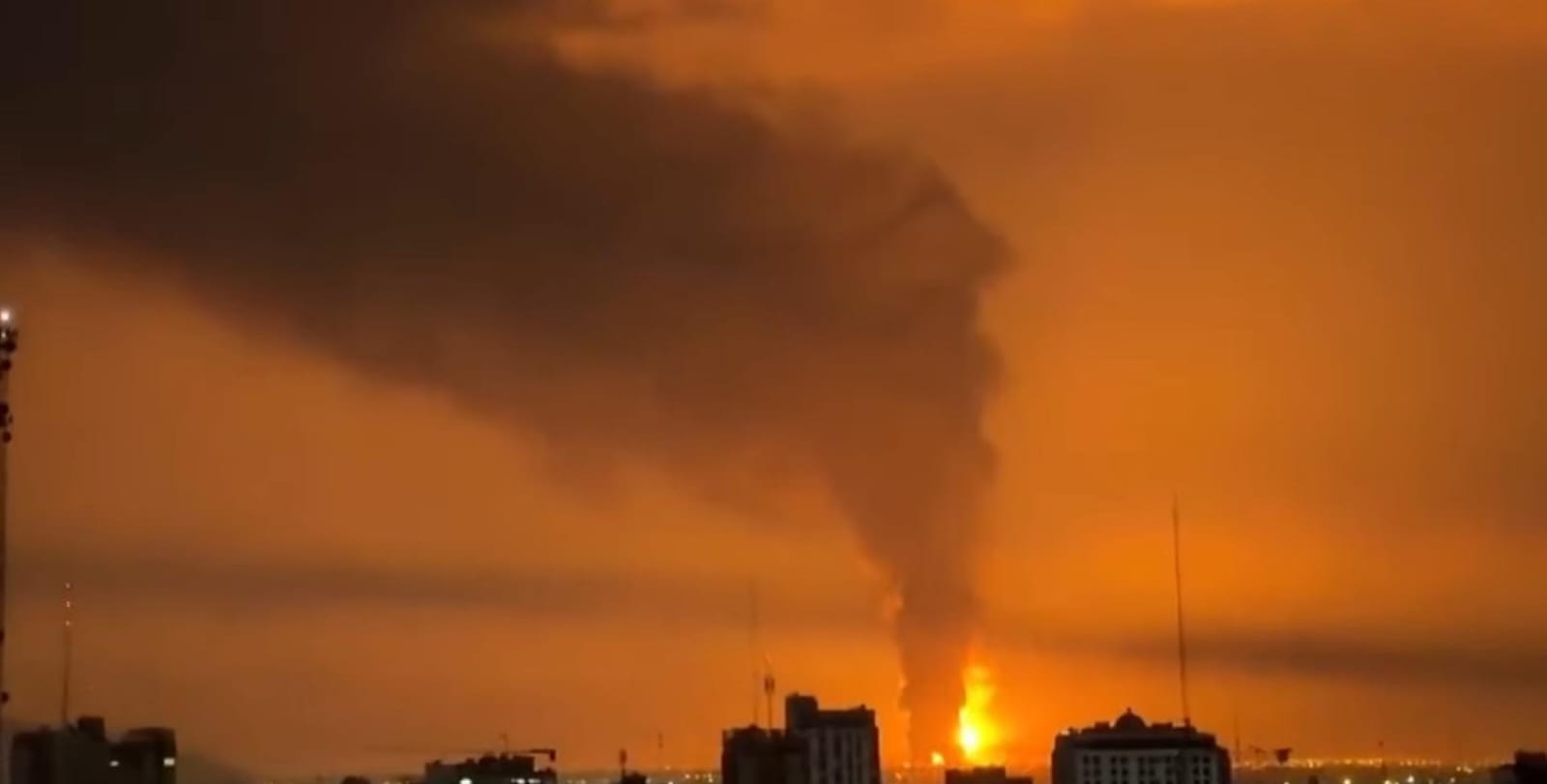
The Erosion of Monuments: When the remnants of Mesopotamia or the Levant are destroyed by airstrikes or looted amidst the chaos, the world loses vital chapters of the human story.
The Death of Dialects and Traditions: Forced migration due to economic and military pressure causes ancient dialects and traditional crafts to die out in refugee camps, displaced by the urgent necessity of mere survival.
Resilience: The Birth of a New Resistance Culture
However, amidst the intense pressure from these two giants, a fascinating cultural anomaly has emerged: The Culture of Resilience. As access to physical museums and cultural institutions is restricted by conflict and sanctions, the creative community has migrated to the digital realm.
Art is no longer displayed in luxury galleries but on the walls of crumbled cities and uploaded to social media. Hip-hop music blending traditional Oud instruments with modern beats has become a new universal language for the region’s youth to voice their protest against both U.S. intervention and Iranian ideological dominance. This is a form of cultural evolution born from pain—an identity no longer based on “land,” but on “voice.”
Measuring the Remnants of History
If history is the teacher of life, then the Middle East today is a classroom on fire. The involvement of America and Iran has shifted the cultural landscape from something communal and sacred to something political and transactional.
The international community must realize that rebuilding a nation post-war is far easier than healing its soul. Buildings can be resurrected with foreign capital, but a shattered cultural narrative and a history twisted for propaganda will take centuries to recover. Ultimately, what is at stake in the Middle East is not just who wins an election or who controls the oil wells, but whether humanity will still possess a memory of where it came from.
Pillars of Cultural Transformation Under Global Conflict
1. Language
U.S. Influence: Dominates through the global use of English in technology, international diplomatic protocols, and higher education standards.
Iranian Influence: Emphasizes the preservation of local dialects and the use of the Persian language as a symbol of cultural defiance and national identity.
2. Art & Media
U.S. Influence: Drives commercialization, global aesthetic standards (pop culture), and the spread of influence through Western social media platforms.
Iranian Influence: Utilizes art as an instrument for propaganda, a medium for spiritual expression, and the development of a distinct “resistance cinema.”
3. Historical Heritage
U.S. Influence: Promotes digitalization efforts (such as 3D scanning) and conservation through funding and partnerships with international bodies like UNESCO.
Iranian Influence: Leverages ancient history (Persian heritage) as a basis for political legitimacy and a foundation for regional identity in the Middle East.
4. Social Fabric
U.S. Influence: Encourages a shift toward individualistic, urban, and secular lifestyles in alignment with Western modernity.
Iranian Influence: Reinforces sectarian ties, communal loyalty (collectivism), and adherence to traditional or religious values.